Enhance Your Outdoor Environment: Professional Landscaping Advice for a Beautiful Residential Garden
Transforming an outdoor space into a beautiful residential landscape involves thoughtful design and deliberate implementation. By assessing the distinct features of a yard, individuals can set clear garden objectives. Selecting plants suited to the regional weather is essential. Additionally, adding practical hardscape features enhances both aesthetics and usability. However, the journey doesn't stop there. Learning how to maintain vibrancy and sustainability can elevate any garden to the next level. Which strategies will lead to enduring achievement?
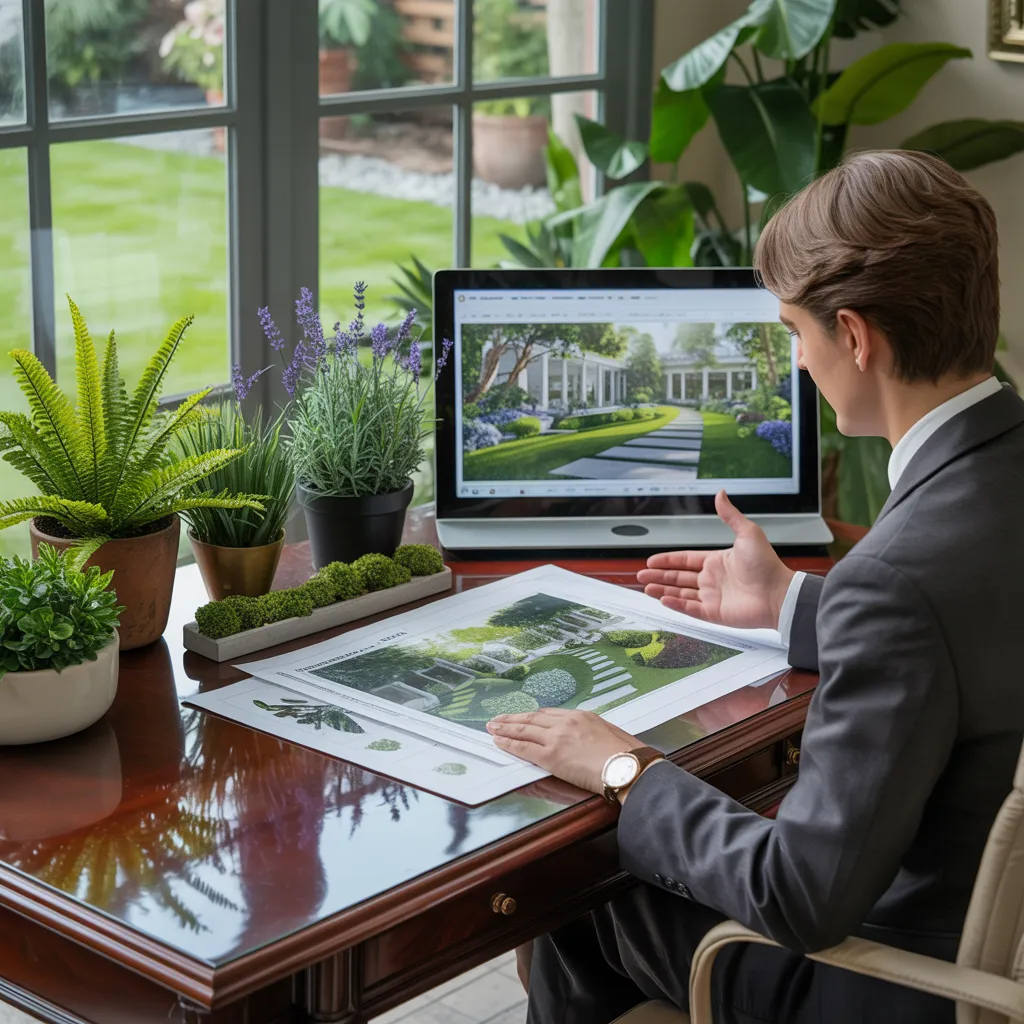
Examine Your Property to Determine Your Landscaping Objectives
Before undertaking any landscaping project, it is essential for homeowners to thoroughly evaluate their exterior setting. This preliminary assessment allows them to understand the unique features of their yard, including light exposure, ground quality, and existing vegetation. Identifying these aspects supports in establishing which kinds of design elements can be successfully integrated into the area.
Homeowners should document measurements and record any obstacles such as vegetation, barriers, or pathways that may influence the layout. Additionally, understanding individual tastes and lifestyle needs—such as areas for entertainment, plant cultivation, or relaxation—can guide the garden objectives. By clearly defining these objectives, homeowners set a strong base for a cohesive and functional outdoor environment. This careful assessment leads to a more rewarding and successful garden renovation, guaranteeing the outdoor space enhances not only the property's visual appeal but also meets the practical needs of its inhabitants.
Determine the Perfect Plant Selection for Your Local Environment
Picking ideal vegetation for a specific climate is vital for establishing a thriving outdoor space. Comprehending local weather patterns, such as temperature ranges, precipitation, and moisture levels, enables homeowners choose vegetation that will thrive. Indigenous vegetation often adapt most effectively, needing less maintenance and water. For example, water-efficient plants are ideal for dry climates, while water-preferring plants thrive in moisture-rich environments.
Gardeners should further take into account seasonal changes; choosing plants that provide year-round interest improves the landscape. Early bloomers, summer perennials, and colorful autumn leaves can create a dynamic visual experience. Additionally, speaking with neighborhood nurseries or extension services can offer helpful information into hardy plant varieties adapted for specific conditions.
Finally, a well-planned vegetation arrangement enhances not only visual appeal but also promotes local wildlife and advances environmental sustainability, which makes it a smart decision for any outdoor space transformation.
Improve Your Garden Using Practical Landscape Features
Functional hardscaping elements prove essential in defining outdoor spaces and increasing their functionality. By integrating seating zones and expertly planned walkways, homeowners can create inviting environments that encourage rest and activity. Additionally, borders can help delineate different zones within the garden, adding structure and visual interest.
Establish Your Outdoor Setting
Creating a well-organized outdoor space can renovate a yard into a welcoming retreat. One reliable technique to achieve this is through practical landscape features, which establish structure and layout. Pathways made from brick or stone guide guests while enhancing aesthetics. Retaining barriers can form tiered levels, enhancing the garden's overall design and preventing soil degradation. Fencing or trellises can mark borders, providing privacy and a sense of enclosure. Adding elevated planting areas not only establishes growing zones but also makes them more accessible. These elements operate in harmony to establish separate areas that improve both visual appeal and practicality. Ultimately, a well-organized outdoor space creates a peaceful setting where homeowners can unwind and appreciate the outdoors.
Integrate Lounging Areas
Incorporating seating areas into an outdoor space greatly enhances its usability and charm. By incorporating practical hardscape features, homeowners can create inviting spots for relaxation, socializing, or enjoying nature. Options include benches, patio sets, or hammocks, each contributing to the garden's aesthetic and pleasure. Strategically placing seating near focal points, such as flower beds or water features, inspires visitors to interact with their outdoor setting. Additionally, using materials like stone or wood can match the landscape's aesthetic, creating design harmony. Covered areas, such as pergolas or umbrellas, deliver relief during warmer months, enabling these spaces to function year-round. Ultimately, well-designed seating areas transform an ordinary garden into a charming sanctuary for family and friends.
Design Pathways And Borders
Borders and pathways function as critical features in outdoor landscaping, conducting guests across the garden while strengthening its design quality. They support structure and direction, enabling the differentiation of distinct spaces and planting types. Brick, stone, or gravel options can create solid walkways, while borders derived from decorative screens or vegetation improve visual beauty. Pathways can inspire discovery, drawing focus to features like planted zones or aquatic elements. Well-maintained borders minimize unwanted vegetation and landscape erosion, supporting garden health. When combined, pathways and borders improve practicality while elevating decorative elegance of your garden, rendering locations more inviting and delightful.
Create Flow With Pathways and Seating Areas
A well-designed outdoor space often features a harmonious flow achieved through thoughtfully placed pathways and seating areas. Pathways guide visitors through the garden, creating a clear sense of direction while enhancing the overall aesthetic. Using materials like stone, gravel, or wood can contribute to the pathway's visual appeal and guarantee durability.
Sitting spaces create pause areas, inviting guests to sit and value the surroundings. Positioning seating strategically beside focal features, like a waterfall or a flower display, promotes involvement with the garden. Your seating preference—benches, chairs, or even lounges—influences the vibe, whether casual or sophisticated.
Blending pathways and seating zones creates an appealing atmosphere, improving practicality and satisfaction. Used together, they form a fluid movement across multiple regions of the garden, inspiring wandering and peace, finally converting any outdoor location into a serene hideaway.
Infuse Your Garden With Seasonal Color and Texture
To enhance the visual appeal of a garden, careful selection of seasonal plants is essential. Layering different textures can add depth and interest, while strategically placed focal points can draw the eye and create a cohesive design. These elements together guarantee a vibrant and dynamic outdoor space throughout the year.
Decide on Seasonal Plants Wisely
Selecting seasonal plants wisely can transform any garden into a vibrant tapestry of refer to this page color and texture. By choosing plants that bloom at different times throughout the year, gardeners can guarantee a year-round showcase of blooms. Spring bulbs, summer flowering plants, fall-blooming perennials, and winter evergreens each contribute distinctive colors and shapes to the landscape. It is essential to consider regional weather and earth composition, as well as the plants' development patterns. Native species often grow more successfully with minimal upkeep, boosting ecological diversity. Additionally, combining plants with varying heights and bloom times can produce an engaging visual display. Ultimately, thoughtful selection fosters a landscape that transforms throughout the year, offering a delightful experience year-round.
Create Textured Layers For Depth
Creating garden depth involves layering textures that complement and enhance seasonal color. By incorporating a variety of plants with differing foliage shapes, sizes, and colors, one can produce an engaging garden design. For instance, the use of broad-leaved plants alongside fine-textured grasses can create contrast and intrigue. Additionally, adding tree bark, rocks, and organic elements adds tactile elements that enrich the overall experience. Flowering plants need to be thoughtfully placed to provide bursts of color throughout the year, guaranteeing continued visual appeal. This careful design not only draws the eye across the garden but also creates an engaging environment where each element adds to the garden's overall beauty and balance.
Place Focal Points Strategically
Artfully positioning primary visual elements can substantially elevate a garden's design appeal and seasonal dynamism. These focal points function as design anchors that command attention and tie the landscape together. Gardeners can utilize elements such as sculptures, ornamental trees, or vibrant flower beds to set up visual interest. Seasonal color can be woven through the deliberate curation of plants with varying bloom schedules, preserving the garden's energy throughout all seasons. Textures also factor significantly; combining smooth stone paths with rough bark or lush foliage provides dimension. By carefully positioning these details, a gardener can construct a hospitable setting that inspires investigation and admiration, converting an area into a captivating haven.
Utilize Green Practices for Achieving a Thriving Garden
Embracing green practices is important for fostering a flourishing garden that flourishes in harmony with the natural world. Gardeners are encouraged to use naturally-occurring flora, which necessitate less irrigation and attention while promoting local animals. Applying chemical-free approaches, such as nutrient recycling and natural pest control, can substantially reduce pesticide application, encouraging a more robust ecosystem.
Water-efficient strategies, such as drip irrigation and collecting rainwater, further enhance environmental responsibility by optimizing resource management. Mulching not just retains hydration additionally reduces weeds, minimizing the demand for weed killers. Moreover, supporting biodiversity by adding a variety of plants fosters resistance against pest infestations plus diseases.
Healthy soil is vital; practices like sequential planting and soil-covering plants maintain soil nutrients excluding the need for synthetic fertilizers. By utilizing such sustainable strategies, plant growers can build a thriving area that fosters vegetation and the environment, ultimately leading to a more rewarding gardening experience.
Resolve Standard Difficulties to Preserve All-Season Garden Beauty
A well-maintained outdoor space can experience many obstacles year-round, impacting its general appearance and well-being. Typical problems involve pest outbreaks, nutrient deficiencies, and limited water. Spotting pests early is critical; gardeners should regularly examine plant parts for signs of damage as well as manage pest problems with organic pesticides or else incorporating helpful insects.
Nutrient shortages typically manifest as yellow foliage and stunted growth. Doing soil examinations can help identify distinct necessities, permitting to enable strategic fertilization to bring back harmony. Moreover, securing adequate water supply is important; over-irrigation can lead to rotted roots, whereas under-irrigation strains growing things.
Seasonal shifts furthermore call for adaptations to care. During winter, mulching safeguards roots against freezing temperatures, while the summer season can necessitate higher water needs plus shaded areas for sensitive plants. By tackling these common issues promptly
Is it Better to Handle Outdoor Work Myself or Bring in a Specialist?
You can certainly handle garden work by yourself, tapping into online resources and your creativity. Yet, bringing in a professional guarantees proficiency, speed, and enhanced results, particularly for intricate layouts or extensive work that need professional expertise.
What Items Do You Should Have for Home Landscaping?
Important items for home garden work contain a leaf rake, spade, shovel, hedge shears, garden cultivator, and a garden hose or garden watering can. These equipment support effectively manage ground, vegetation, and complete garden maintenance, ensuring effective landscaping
How Do I Maintain My Yard During the Year?
If you want to care for a landscape throughout the year, regularly shaping greenery is necessary, adding garden mulch for thermal protection is important, checking soil moisture counts, and applying seasonal planting strategies is recommended. Also, pest prevention and soil fertilization are necessary for flourishing, vibrant plants.